About HCSA Dayspring

Dayspring began in 2006 with one woman, Alice Heng, and her vision to help troubled women. Originally a hideaway of hope and healing for troubled women, the Dayspring team discovered a need to shelter girls who were victims of abuse and established Singapore’s first Residential Treatment Centre in 2011 to provide a therapeutic intervention programme for young trauma survivors.

In 2017, Dayspring transitioned into a Therapeutic Group Home for young girls presenting with high levels of emotional and/or behavioural problems. Our residential services expanded in 2024 to include Small Group Care, accommodating more girls with moderate to high levels of needs and support.

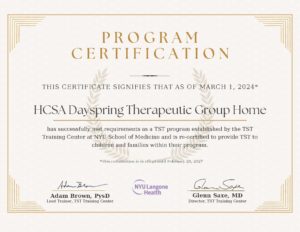
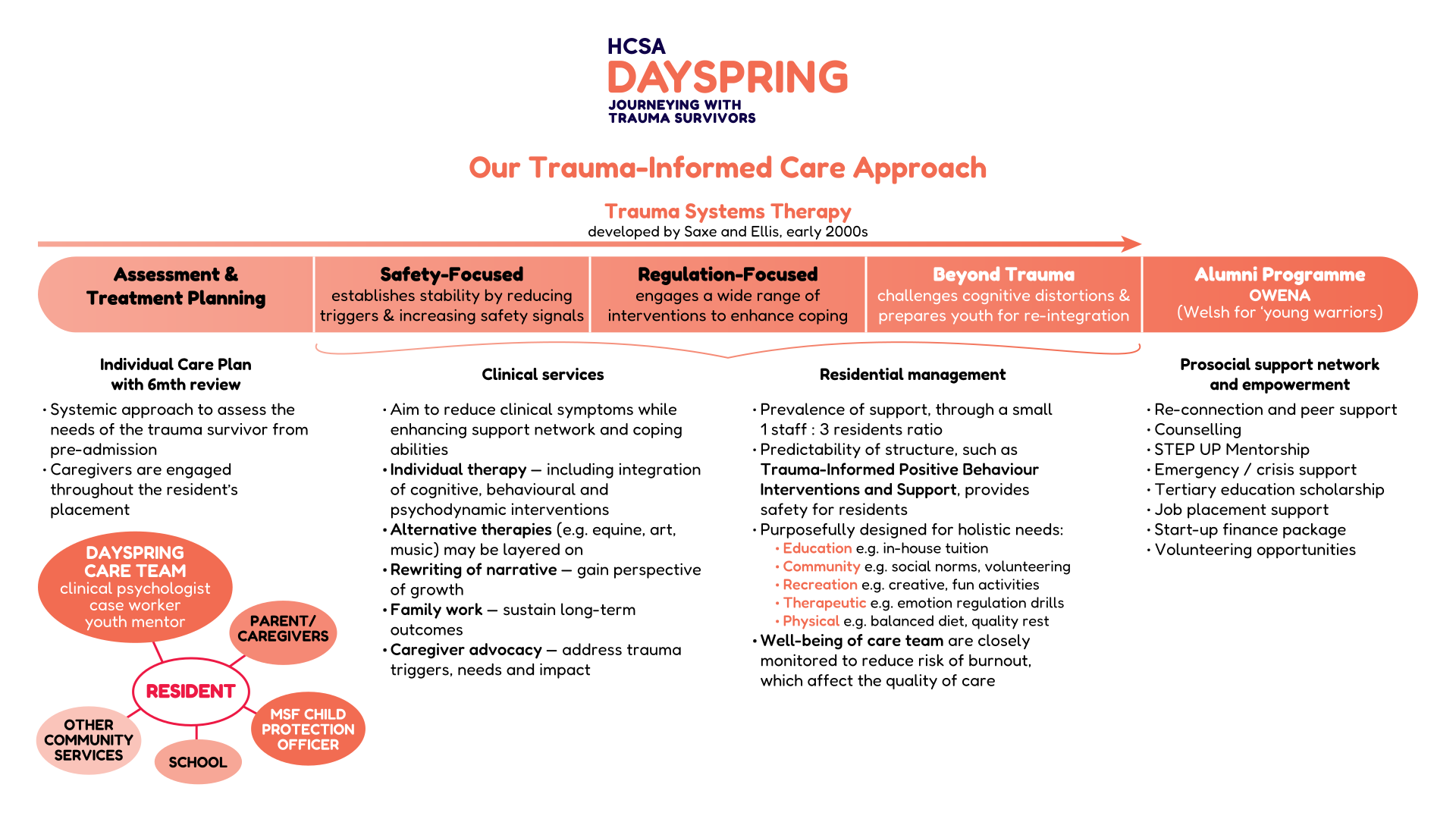
We are certified by New York University to provide Trauma Systems Therapy, with endorsed supervisors and trainers. We offer a caring, safe and therapeutic environment to help teenage girls who have suffered the complex trauma of emotional, physical or sexual abuse; physical and emotional neglect; or household dysfunction.

Partner Agency

Ministry of Social and Family Development

Year Started

2006

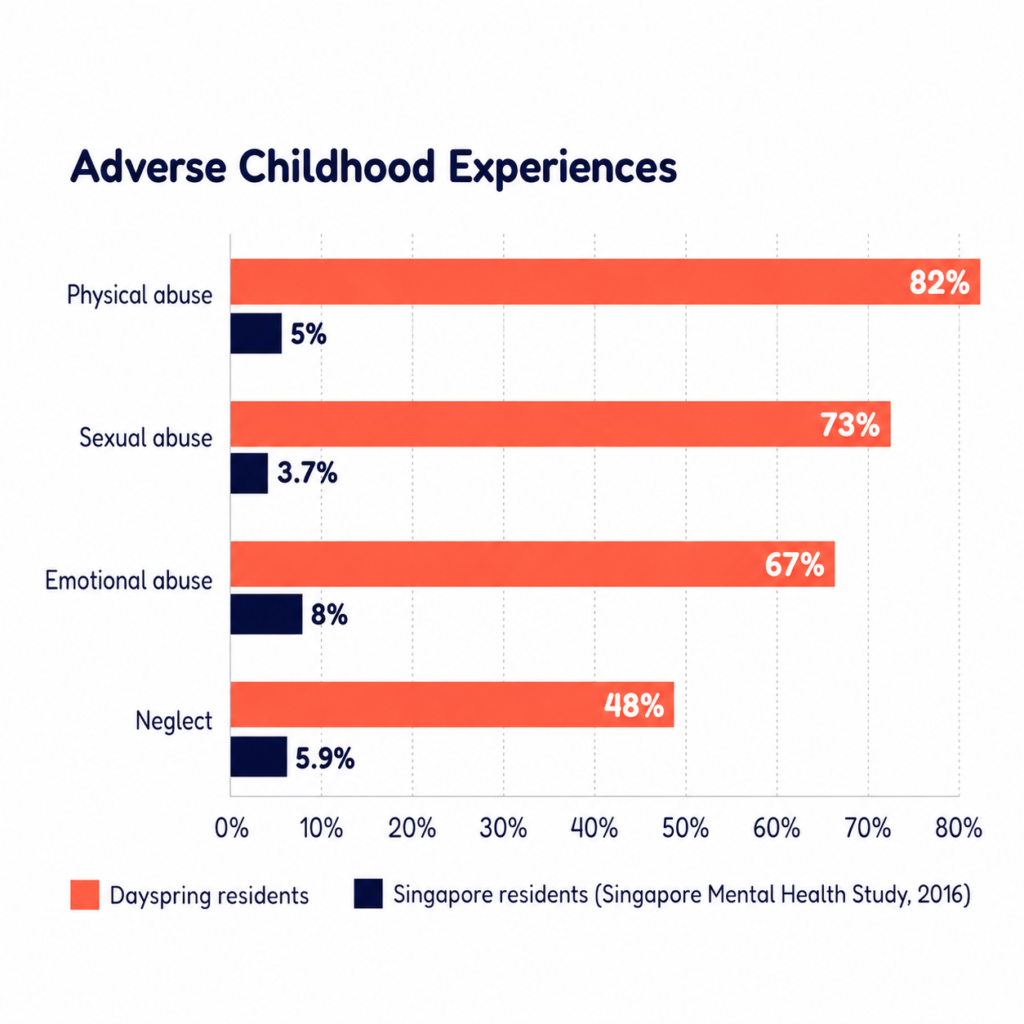
Adverse Childhood Experiences

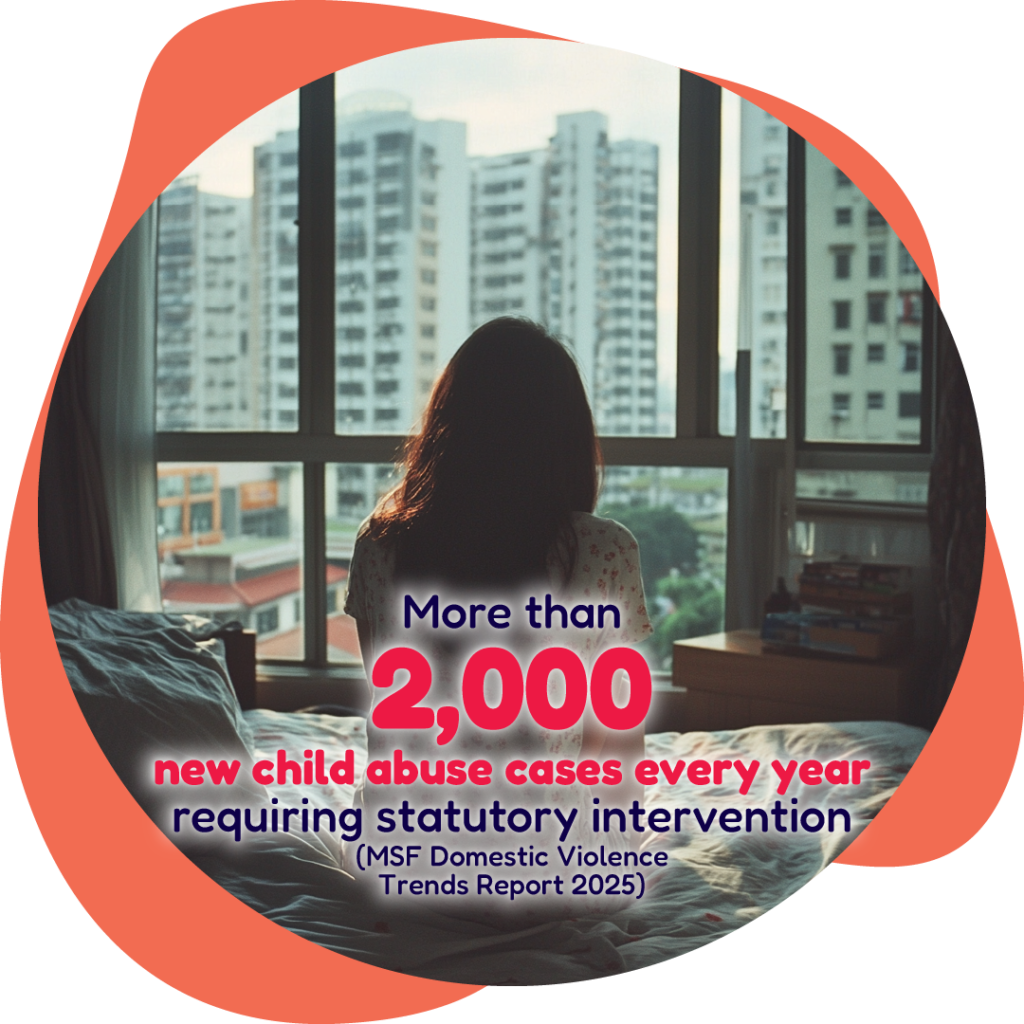
Adverse childhood experiences are traumatic events that occur in a youth’s formative years, and include emotional, physical and sexual abuse; physical and emotional neglect; and household dysfunction such as living in a home with violence, parental separation or divorce, and having family members with alcohol and substance misuse, mental illness or incarceration.

These adverse childhood experiences may result in complex trauma, and the affected youths have severe and persistent difficulties managing their behavioural or emotional responses to trauma reminders, despite support from the community. They may resort to negative coping mechanisms such as self-harm, avoidance, substance abuse or aggressive behaviour, affecting their safety and well-being.

The adverse experiences that young trauma survivors have faced in their formative years have a life-long impact on their development, including reduced social skills, poor school performance and mental health issues.


Traumatic stress occurs when a child is unable to regulate emotional states and in certain moments experiences his or her current environment as extremely threatening even when it is relatively safe. This happens when the child’s brain regulation of emotional states is disturbed.

To be effective, interventions must fully address the many contextual factors that lead to a child's expression of traumatic stress. These contextual factors may be found within the child's family, school, peer group, or neighbourhood—any setting in which a child lives, learns, and plays. Contextual factors drive traumatic stress reactions because they serve as reminders of traumatic events the child has experienced.

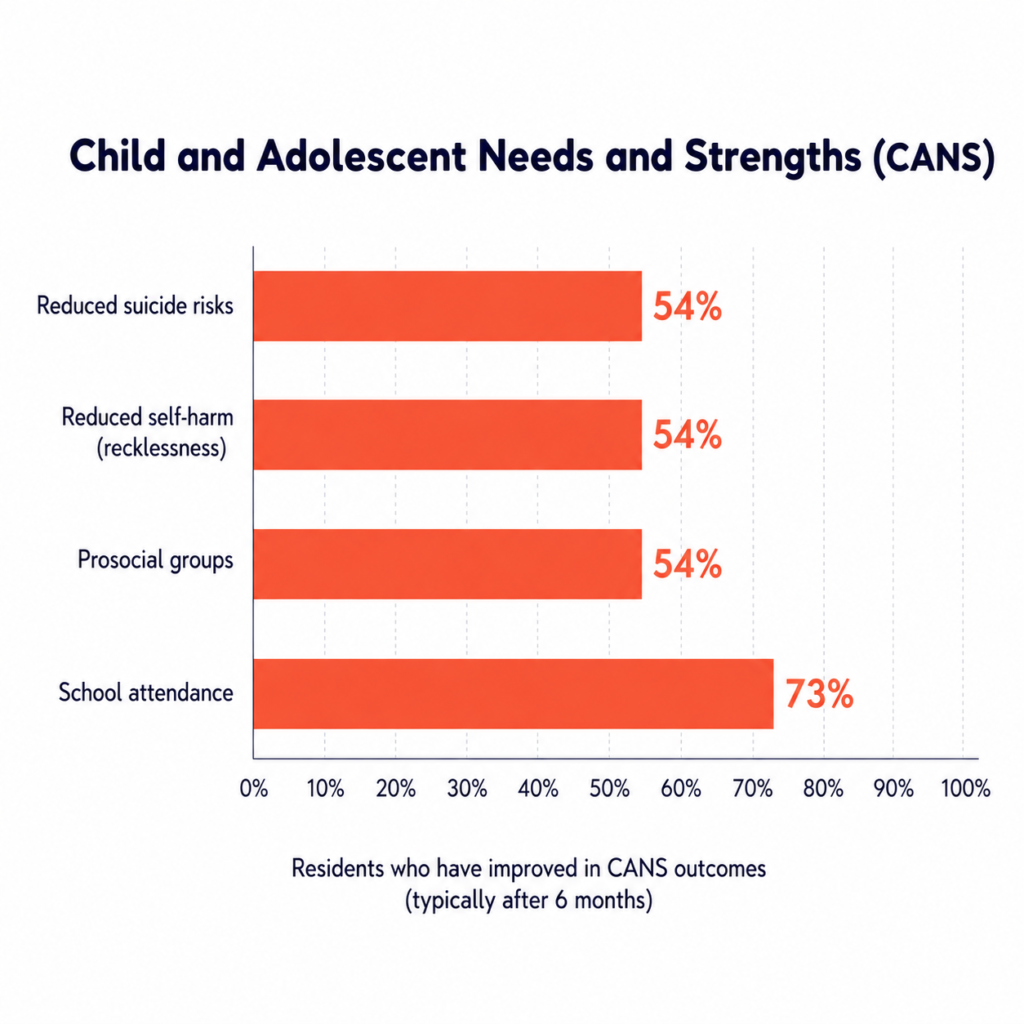
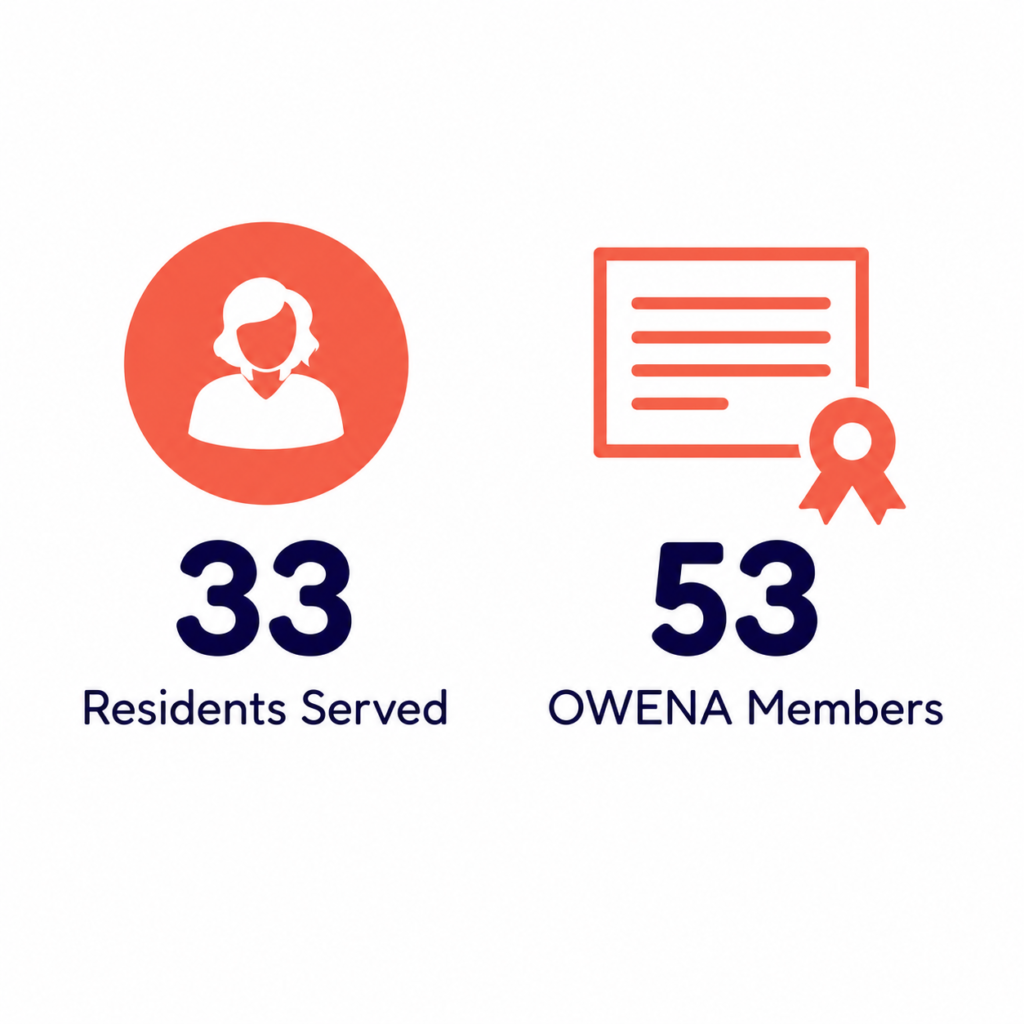
Our Impact in FY2025

Residential Care

Our residential care is designed to be like a family, and each resident will be matched with a care team upon admission, comprising a clinical psychologist, a case worker, a coach and support coach. Our residents have regular counselling sessions to help them develop an individualised treatment plan, and their parents or guardians are also engaged for sessions to meet family treatment goals.

Alumni After-Care

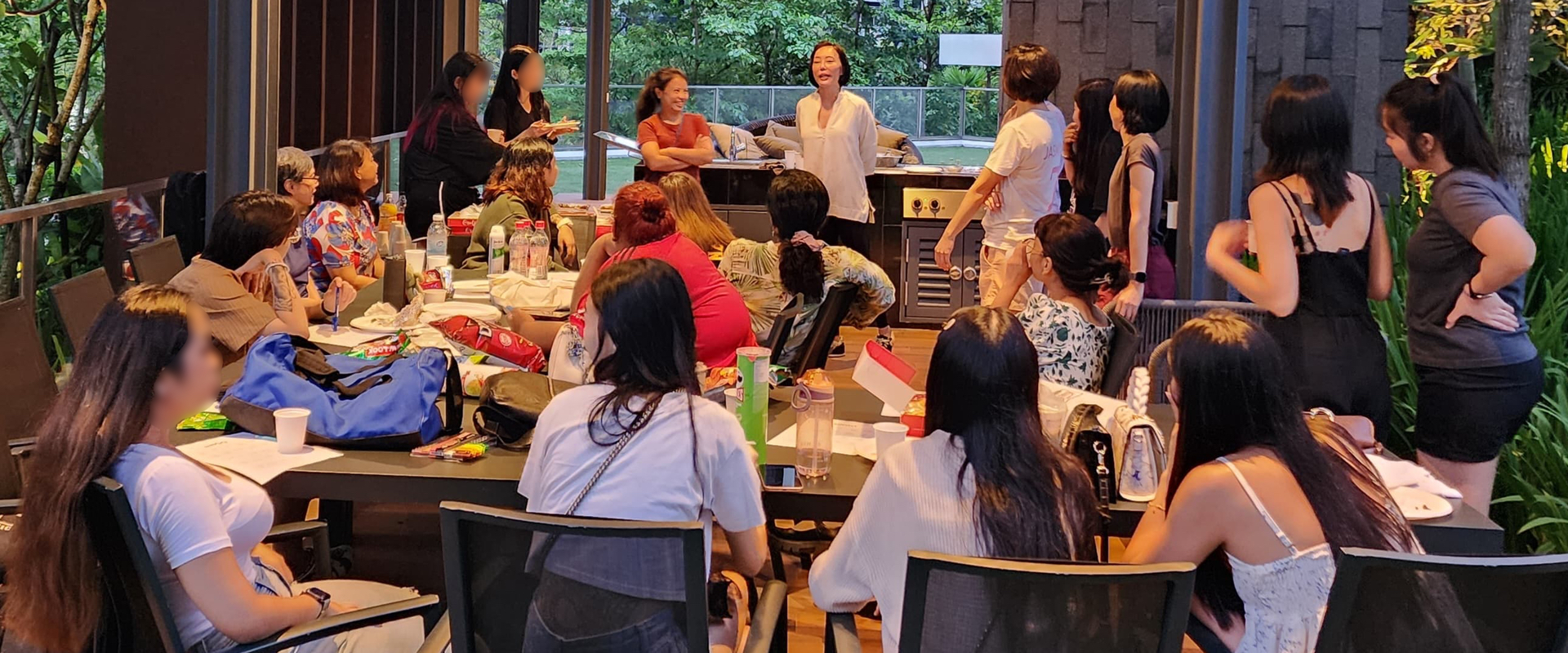
The transition from residential care to community reintegration can be daunting. Many former residents have reported challenges, such as recurring conflicts with family members resulting in housing instability, difficulties juggling their basic needs and studies, and mental health concerns. We check in on them regularly in the first six months after discharge, and we also encourage them to join our alumni support group, OWENA, which enables them to receive ongoing support through peer connections, practical needs and guidance from mentors as they work towards their life aspirations.  

Share Your Time and Expertise

Give from Your Heart

15585

SUBSCRIBE TO OUR NEWSLETTER

Stay updated, make a difference!